
Contemporary Japanese Art:
a fusion of millennial traditions and the digital revolution
The Land of the Rising Sun, with its unique culture and long history, has given the world such aesthetically perfect and deeply philosophical art forms as origami (the art of paper folding), ikebana (the artistic arrangement of flowers) and kintsugi (the art of restoration that emphasizes cracks with gold).
Japan did not stop in this pursuit of perfection. Throughout the post-war era and beyond, it remained a dynamic center for the emergence of new artistic genres and styles, like manga, which laid the foundation for the modern visual language.
But modern Japanese art (contemporary art) can also boast of the most incredible and provocative creations, whose authors have made a splash on the global art scene.
Contemporary Japanese art is a fascinating and unique fusion of thousand-year-old traditions and digital innovations. Artists, acting as a bridge between eras, masterfully combine the ancient Nihonga painting technique (traditional drawing with mineral pigments on silk or paper) with cutting-edge digital technologies. They create multi-dimensional works that simultaneously refer to the samurai heritage and the canons of the Edo period, while reflecting the futuristic, sometimes disturbing, realities of the Tokyo metropolis.
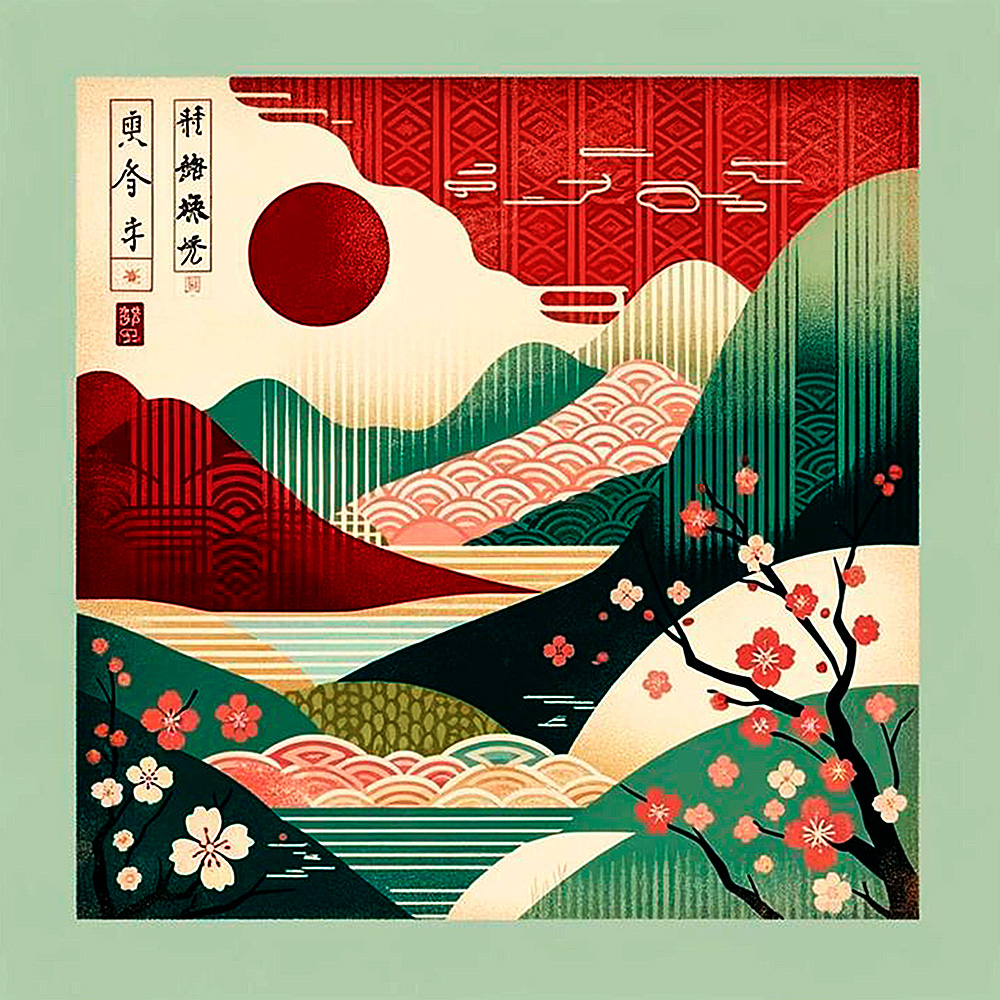
Nihonga and digitalization — a combination of old and new
Global attention to Japanese authors was not sudden, but in the 1990s, a real, explosive breakthrough occurred. This was the decade when Japanese artists, overcoming cultural barriers, burst onto the international stage. The key to this success was a bold fusion: anime aesthetics met conceptualism. Manga and anime began to be reinterpreted as a serious artistic statement capable of carrying a philosophical load.
This powerful cultural phenomenon has been recognized by the world's leading institutions. Museum giants — MoMA in New York, Centre Pompidou in Paris and Tate Modern in London — regularly hold exhibitions of Japanese contemporary authors, securing their status on the global stage.
Today, Tokyo is considered one of the main art hubs in Asia along with Seoul and Shanghai. Annual exhibitions at the Mori Art Museum and participation in events such as the Venice Biennale demonstrate its leading role in contemporary art.
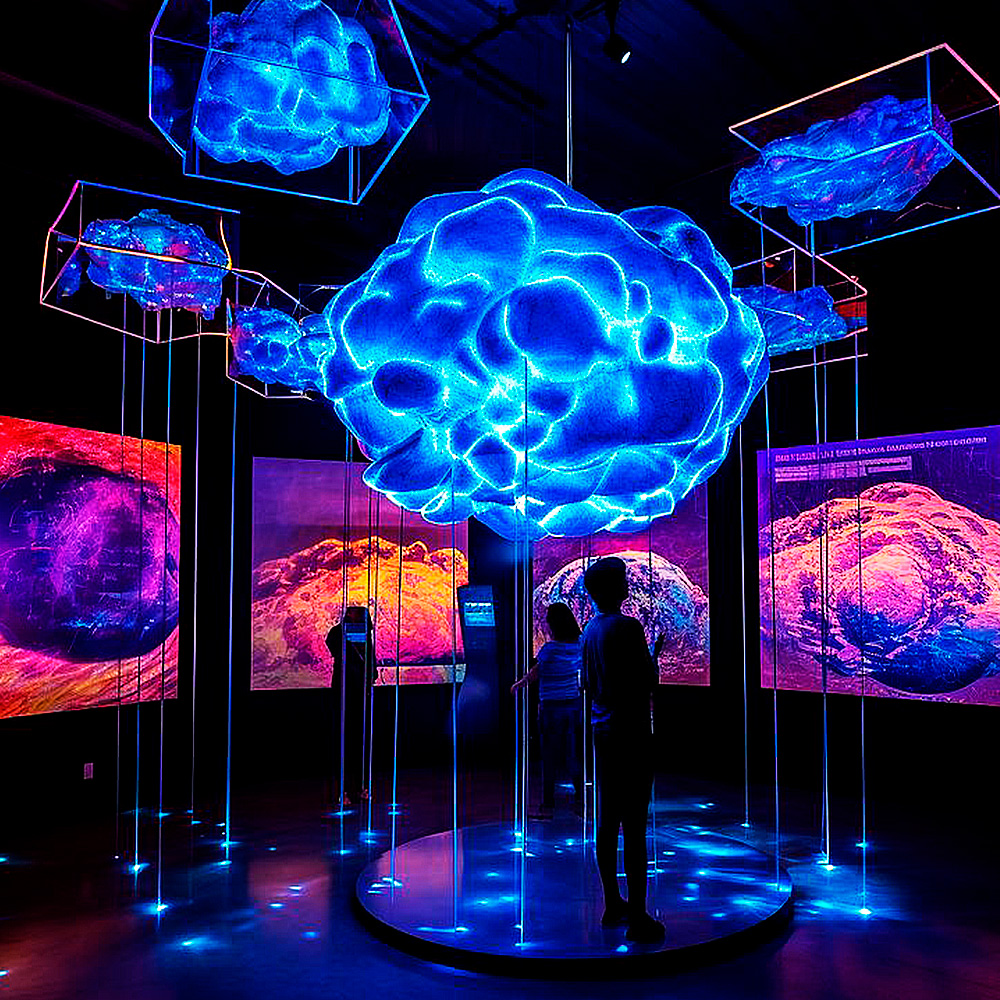
Modern exhibitions in Tokyo
The peculiarity of Japanese contemporary art is its incredible philosophical depth. In the works, even in the brightest and most technological installations, a thin thread of traditional aesthetic ideas can always be traced:
- Zen buddhism: the pursuit of simplicity, purity of form and spontaneity, allowing to achieve a contemplative state.
- Wabi-sabi: the aesthetic of "the beauty of imperfection" — the value of traces of time, cracks and asymmetry.
- Mono-no aware: "the pathos of things", a light sadness from the transience of the beautiful.
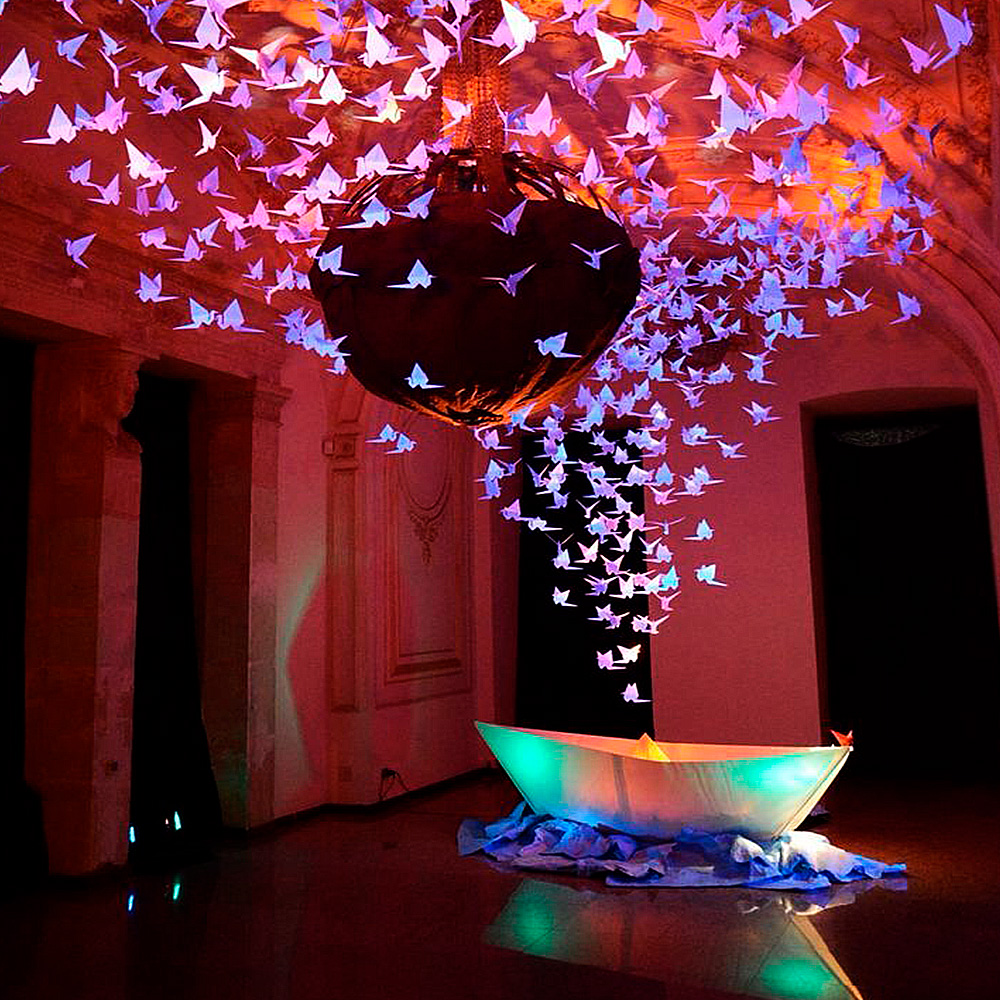
Philosophy in installations
Through these philosophical prisms, artists explore current themes: loneliness in an urban society, environmental problems and the preservation of national identity in the era of globalization.